
Maltodextrin
Maltodextrin is a powder made by breaking food starch into shorter chains of glucose. It adds body to foods, carries flavors, helps powders flow, and can thicken or smooth texture. Ordinary maltodextrin supplies digestible carbohydrate and differs from resistant fiber products.
Also known as
maltodextrin · maltodextrins · corn maltodextrin · potato maltodextrin · rice maltodextrin · tapioca maltodextrin · wheat maltodextrin · wheat-based maltodextrin
Why PRūF tracks it
Maltodextrin can raise blood glucose and insulin, with effects depending on the amount eaten and individual glucose control; animal gut and DNA-damage findings raise unresolved questions but do not establish harm from ordinary human food exposure.
Read the research
Ordinary maltodextrin is a digestible carbohydrate, while resistant maltodextrin and resistant dextrin are different fiber ingredients. Human crossover studies using 33–50 grams in fasting drinks found higher insulin responses with maltodextrin than with a slower carbohydrate; glucose differences depended on dose and population, including people with type 2 diabetes. These studies measured short-term responses, not the development of diabetes or other chronic disease. Amounts in a particular food cannot be determined from the ingredient name alone.
Gut concerns remain less certain. Experiments in susceptible mice found reduced mucus protection and worse intestinal inflammation. Stool-culture studies found microbial and inflammatory-reporter changes, with mixed fermentation results; rapid digestion makes the amount reaching the colon uncertain, and these experiments did not test illness in people. Another 2026 mouse study reported DNA-damage signals after exposure during mating, pregnancy and nursing; its relevance to ordinary dietary amounts is unresolved.
Conversely, a small, seven-day human study found relatively mild digestive symptoms even with 180 grams daily. FDA permits food use under good manufacturing practice. A citizen petition seeks reconsideration, and proposed federal labeling legislation names maltodextrin; neither establishes a verified food ban.
Research reviewed on September 5, 2026 · 12 sources
Matches
1–12 of 1010 matches
 (4) Oreo Cheesecake PancakesIHOP · Updated September 23, 2026
 #16 Halal Chicken Philly (Bowl)Jersey Mike's · Updated September 23, 2026
 #16 Halal Chicken Philly (Giant)Jersey Mike's · Updated September 23, 2026
 #16 Halal Chicken Philly (Regular)Jersey Mike's · Updated September 23, 2026
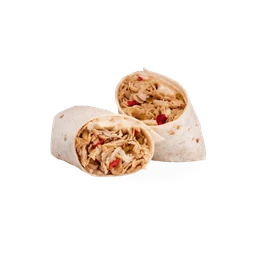 #16 Halal Chicken Philly (Wrap)Jersey Mike's · Updated September 23, 2026
 #16 Mike's Chicken Philly (Bowl)Jersey Mike's · Updated September 23, 2026
 #16 Mike's Chicken Philly (Giant)Jersey Mike's · Updated September 23, 2026
 #16 Mike's Chicken Philly (Regular)Jersey Mike's · Updated September 23, 2026
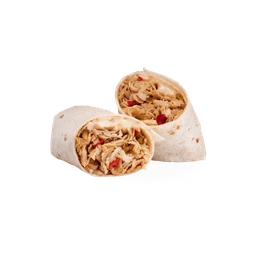 #16 Mike's Chicken Philly (Wrap)Jersey Mike's · Updated September 23, 2026
 #26 Bacon Ranch Chicken Cheese Steak (Bowl)Jersey Mike's · Updated September 23, 2026
 #26 Bacon Ranch Chicken Cheese Steak (Giant)Jersey Mike's · Updated September 23, 2026
 #26 Bacon Ranch Chicken Cheese Steak (Regular)Jersey Mike's · Updated September 23, 2026
Research sources
The published research used in the PRūF app.
- 21 CFR 184.1444: Maltodextrin
FDA / eCFR · Current text inspected 2026-09-05; last listed amendment 2023-03-24 · Accessed 2026-09-05
- Petition to Limit the Exposure of Refined Carbohydrates
Petitioners / FDA public docket · Posted 2025-08-12 · Accessed 2026-09-05
- FDA-2025-P-3071 docket document history
FDA / Regulations.gov · Interim response posted 2026-02-10; live metadata 2026-09-05 · Accessed 2026-09-05
- H.R. 8385: Food Labeling Modernization Act of 2026, introduced text
U.S. Congress / Government Publishing Office · Introduced 2026-04-20 · Accessed 2026-09-05
- Regulation (EU) No 1169/2011: wheat-based maltodextrin allergen exception
European Union · Consolidated 2025-04-01 · Accessed 2026-09-05
- Peer review of the pesticide risk assessment of the active substance maltodextrin
EFSA · 2025-03-11 · Accessed 2026-09-05
- Oligomalt, a New Slowly Digestible Carbohydrate, Reduces Post-Prandial Glucose and Insulin Trajectories Compared to Maltodextrin across Different Population Characteristics: Double-Blind Randomized Controlled Trials in Healthy Individuals, People with Obesity, and People with Type 2 Diabetes
Johansen et al. / Metabolites · 2024-07-26 · Accessed 2026-09-05
- Oligomalt, a New Slowly Digestible Carbohydrate, Is Well Tolerated in Healthy Young Men and Women at Intakes Up to 180 Gram per Day: A Randomized, Double-Blind, Crossover Trial
Johansen et al. / Nutrients · 2023-06-15 · Accessed 2026-09-05
- Maltodextrin Consumption Impairs the Intestinal Mucus Barrier and Accelerates Colitis Through Direct Actions on the Epithelium
Zangara et al. / Frontiers in Immunology · 2022-03-14 · Accessed 2026-09-05
- In Vitro Effects of Twelve Food Additives on Gut Microbiome and Its Fibre Fermentation Capacity in Adults with Crohn’s Disease in Remission and Healthy Controls
Alessa et al. / Nutrients · 2026-02-18 · Accessed 2026-09-05
- Maternal exposure to sucrose and maltodextrin alters metabolism and genotoxicity in mice offspring
Magenis et al. / Mutation Research · 2026-03-09 online · Accessed 2026-09-05
- Direct impact of commonly used dietary emulsifiers on human gut microbiota
Study authors · 2021-01-22 · Accessed 2026-09-05
Know your food.
Anywhere.
Explore restaurant ingredients and nutrition in the PRūF iPhone app.