
Sodium aluminum phosphate
Sodium aluminum phosphate is a group of salts used to change food texture. The acidic form helps doughs and batters rise, while the basic form can blend ingredients in processed cheese. Permitted forms and uses vary between countries and food categories.
Also known as
SALP · sodium aluminium phosphate · sodium aluminium phosphate, acidic · sodium aluminum phosphate, acidic · sodium aluminium phosphate, basic · sodium aluminum phosphate, basic · KASAL · aluminum sodium phosphate · E 541 · INS 541(i) · INS 541(ii)
Why PRūF tracks it
SALP contributes absorbable aluminum, and high cumulative exposure deserves attention, particularly in children or people with reduced kidney clearance; recent food measurements raise questions without establishing long-term human harm from permitted use.
Read the research
Sodium aluminum phosphate includes acidic SALP, used for raising baked foods, and basic KASAL, used for blending or stabilizing ingredients. EU number E 541 covers the acidic form. Safety assessment focuses mainly on aluminum exposure, while phosphate is a separate part of the ingredient. Aluminum is absorbed poorly, but absorbed amounts can accumulate; kidney function affects clearance.
EFSA uses a weekly intake value of 1 milligram aluminum per kilogram of body weight, while JECFA uses 2 milligrams. Both cover total aluminum from food, not just this additive. In 18 healthy adults, one week of high-SALP pancakes increased urinary aluminum, showing absorption without demonstrating illness. EFSA judged its narrowly authorized EU use safe, but that finding does not describe intake in countries allowing broader uses.
A 2026 study found substantial aluminum in some flour tortillas, and a conservative Brazilian child-exposure model prioritized SALP for closer assessment. Neither measured clinical harm. EPA also identified weaknesses in older SALP animal studies. Canada removed emulsifying and stabilizing permissions while retaining specified baking-related uses.
New Zealand requested a standards review after elevated food measurements; a completed ban or review outcome was not verified. The review considers cumulative exposure and incomplete long-term evidence.
Research reviewed on September 5, 2026 · 12 sources
Matches
157–168 of 249 matches
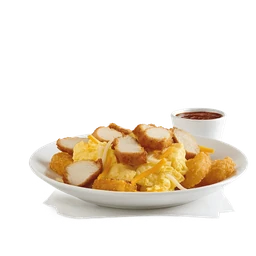 Hash Brown Scramble Bowl w/ Spicy Chicken - no hash brownsChick-fil-A · Updated September 23, 2026
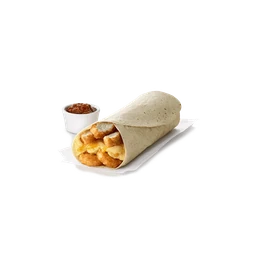 Hash Brown Scramble BurritoChick-fil-A · Updated September 23, 2026
 Honey BBQ Chicken Strip SandwichWhataburger · Updated September 23, 2026
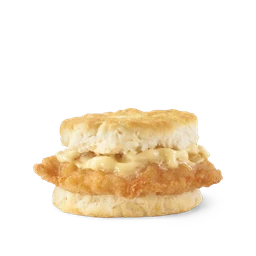 Honey Buddy Chicken BiscuitWendy's · Updated September 23, 2026
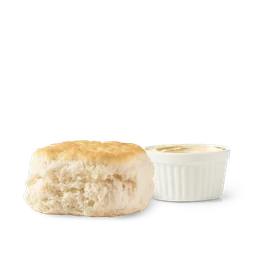 Honey Butter BiscuitWendy's · Updated September 23, 2026
 Honey Butter Chicken BiscuitWhataburger · Updated September 23, 2026
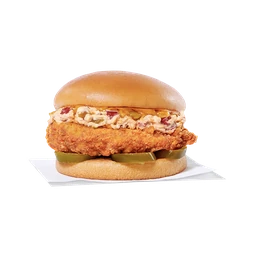 Honey Pepper Pimento Sandwich w/ Chick-fil-A® FiletChick-fil-A · Meals · Updated August 2, 2026
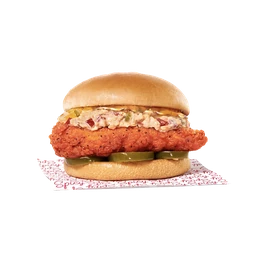 Honey Pepper Pimento Sandwich w/ Spicy FiletChick-fil-A · Meals · Updated August 2, 2026
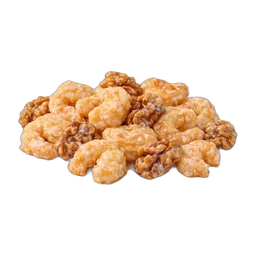 Honey Walnut ShrimpPanda Express · Updated July 12, 2026
 HotcakesMcDonald's · Updated September 22, 2026
 Hotcakes and SausageMcDonald's · Updated September 22, 2026
 Italian Trio Protein PocketSubway · Updated September 23, 2026
Research sources
The published research used in the PRūF app.
- 21 CFR 182.1781: Sodium aluminum phosphate
FDA / eCFR · Current through 2026-09-03 · Accessed 2026-09-05
- Re-evaluation of aluminium sulphates (E 520–523) and sodium aluminium phosphate (E 541) as food additives
EFSA ANS Panel · 2018-07 · Accessed 2026-09-05
- Aluminium-containing food additives: group evaluation
FAO/WHO JECFA · 2011 evaluation; current database entry · Accessed 2026-09-05
- Provisional Peer-Reviewed Toxicity Values for Aluminum Phosphate Salts
US Environmental Protection Agency · 2023-06 · Accessed 2026-09-05
- Increased urinary excretion of aluminium after ingestion of the food additive sodium aluminium phosphate (SALP): a study on healthy volunteers
Glynn and Lignell / Food Additives & Contaminants Part A · 2019-06-13 · Accessed 2026-09-05
- Regulation 1333/2008: E 541 acidic permissions
European Union · Consolidated 2026-08-18 · Accessed 2026-09-05
- Modification to permitted uses of aluminum-containing food additives
Health Canada · Published 2025-09-15; effective 2025-10-20; page updated 2026-03-19 · Accessed 2026-09-05
- Food Standards Code Schedule 15: food additive permissions
Australian Government / FSANZ · Latest compilation 2026-04-30, F2026C00407 · Accessed 2026-09-05
- Fourth quarter results of the 2024 NZ Total Diet Study: infants and toddlers
New Zealand Food Safety / MPI · 2025-08-26 · Accessed 2026-09-05
- Dietary exposure to 77 food additives in a sample of Brazilian children aged 1–3 years: a Tier 2b screening assessment
Tordin et al. / Food and Chemical Toxicology · 2026-03-18 · Accessed 2026-09-05
- The dietary burden of phosphorus and aluminum in ready-to-eat wheat flour tortillas exceeds that of corn tortillas: implications for patients with chronic kidney disease
Chiang et al. / Food and Humanity · 2026-02-03 · Accessed 2026-09-05
- GSFA group 154: sodium aluminium phosphates
Codex Alimentarius · Updated through CAC48 (2025) · Accessed 2026-09-05
Know your food.
Anywhere.
Explore restaurant ingredients and nutrition in the PRūF iPhone app.