
Sodium benzoate
Sodium benzoate is a preservative that slows the growth of yeast, mold and some bacteria in acidic foods and drinks. It is the sodium salt of benzoic acid and may appear on ingredient lists by its name or the code E 211.
Also known as
sodium benzoate · benzoate of soda · benzoic acid, sodium salt · E211 · E 211 · INS 211
Why PRūF tracks it
Sensitive individuals may react to sodium benzoate, while differing intake assessments and recent animal findings leave specific uncertainties without establishing that ordinary food use causes cancer, infertility or behavioral disorders.
Read the research
Sodium benzoate helps acidic drinks, sauces and other foods resist spoilage. Some sensitive people can develop intolerance or allergic reactions, although an ingredient list alone cannot establish the cause of symptoms. International safety assessments found no genotoxicity concern or indication of cancer potential in the evaluated evidence. JECFA raised its group acceptable daily intake to 20 mg/kg body weight per day in 2021; EFSA’s 2016 assessment set 5 mg/kg, both expressed as benzoic acid.
These values use different evidence and assumptions, and neither is a recommended intake. EFSA’s earlier estimates exceeded its value for some young high consumers, while JECFA found assessed exposure below its newer value. Small recent rat studies reported hormonal and reproductive-tissue changes, but they do not establish infertility from ordinary food use. A 2025 asthma study measured benzoic acid in children and used much higher sodium benzoate exposure in mice, leaving ingredient-specific causation uncertain.
A child trial testing colors together with sodium benzoate could not separate their effects; a later trial testing sodium benzoate separately found no significant behavioral effect. Benzene formation in certain beverages is a separate formulation concern; FDA’s historical survey prompted reformulation, and JECFA judged assessed dietary exposure of little public-health concern.
Research reviewed on September 5, 2026 · 12 sources
Matches
1–12 of 960 matches
 (4) Cinn-a-Stack PancakesIHOP · Updated September 23, 2026
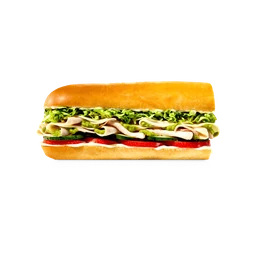 #12 Beach Club®Jimmy John's · Updated September 23, 2026
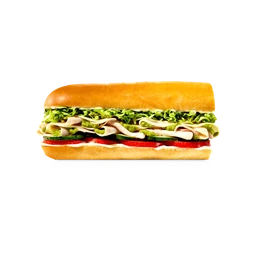 #12 Beach Club® (Toasted)Jimmy John's · Updated September 23, 2026
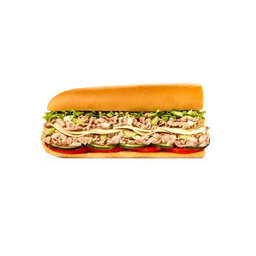 #15 Club Tuna®Jimmy John's · Updated September 23, 2026
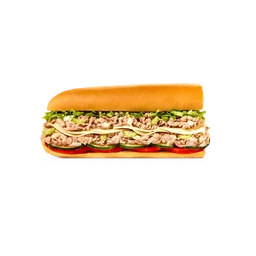 #15 Club Tuna® (Toasted)Jimmy John's · Updated September 23, 2026
 #16 Halal Chicken Philly (Bowl)Jersey Mike's · Updated September 23, 2026
 #16 Halal Chicken Philly (Giant)Jersey Mike's · Updated September 23, 2026
 #16 Halal Chicken Philly (Regular)Jersey Mike's · Updated September 23, 2026
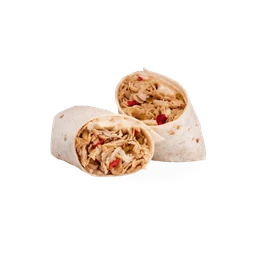 #16 Halal Chicken Philly (Wrap)Jersey Mike's · Updated September 23, 2026
 #16 Mike's Chicken Philly (Bowl)Jersey Mike's · Updated September 23, 2026
 #16 Mike's Chicken Philly (Giant)Jersey Mike's · Updated September 23, 2026
 #16 Mike's Chicken Philly (Regular)Jersey Mike's · Updated September 23, 2026
Research sources
The published research used in the PRūF app.
- 21 CFR 184.1733: Sodium benzoate
US FDA / eCFR · Current text up to September 3, 2026 · Accessed 2026-09-05
- Benzoic acid, its salts and derivatives: addendum, WHO Food Additives Series 83
WHO / FAO JECFA · 2021 evaluation; monograph published 2022 · Accessed 2026-09-05
- Scientific Opinion on the re-evaluation of benzoic acid and benzoate salts as food additives
EFSA ANS Panel · 2016-03-31 · Accessed 2026-09-05
- Questions and Answers on the Occurrence of Benzene in Soft Drinks and Other Beverages
US Food and Drug Administration · Historical 2005–2007 survey; page accessed 2026-09-05 · Accessed 2026-09-05
- Sodium benzoate exposure from juvenile to peripubertal period disrupts HPG-axis in both male and female rats
Khan et al. / Toxicological Research · 2025-03-20 · Accessed 2026-09-05
- The study of the relationship between food additives and the childhood asthma based on metabolome analysis
Chen et al. / Frontiers in Immunology · 2025-09-26 · Accessed 2026-09-05
- Food additives and hyperactive behaviour in 3-year-old and 8/9-year-old children in the community: a randomised, double-blinded, placebo-controlled trial
McCann et al. / The Lancet · 2007-11-03 · Accessed 2026-09-05
- Food additives and behavior in 8- to 9-year-old children in Hong Kong: a randomized, double-blind, placebo-controlled trial
Lok et al. / Journal of Developmental and Behavioral Pediatrics · 2013-11 · Accessed 2026-09-05
- List of Permitted Preservatives: Sodium Benzoate, S.3
Health Canada · 2025-10-20 list publication · Accessed 2026-09-05
- Louisiana Administrative Code, Title 49, Part I, §257: Chemical Preservatives
Louisiana Division of Administration · Current compilation accessed 2026-09-05; provision historical note September 1968 · Accessed 2026-09-05
- Regulation (EC) No 1333/2008: consolidated food additives provisions
European Union · Consolidated2026-08-18 · Accessed 2026-09-05
- H.R. 4306: Food Chemical Reassessment Act of 2025
US Congress · Introduced 2025-07-10; latest recorded action 2025-07-10 · Accessed 2026-09-05
Know your food.
Anywhere.
Explore restaurant ingredients and nutrition in the PRūF iPhone app.