
Calcium propionate
Calcium propionate is a preservative that helps prevent mold and certain bacterial spoilage in bread and other foods. It is the calcium salt of propionic acid. Food rules specify where it may be used and the conditions or amounts allowed.
Also known as
calcium propanoate · propionic acid, calcium salt · propionic acid calcium salt · calcium dipropionate · propionate, calcium · E 282 · INS 282
Why PRūF tracks it
Calcium propionate has unresolved metabolic and behavioral signals, with conflicting human findings and limited long-term evidence, while markedly excessive food concentrations have been linked to rapid gastrointestinal illness.
Read the research
Calcium propionate helps foods keep longer, but its health effects cannot be reduced to a claim that it is either harmless or a proven cause of disease. Small human experiments found short-term changes in hormones involved in blood-sugar regulation after calcium-propionate doses. These findings deserve attention, but they did not measure whether people developed diabetes. An eight-week trial found lower LDL cholesterol without significant changes in fasting glucose, HbA1c or two of the hormones studied; it also cannot establish long-term safety.
A large French observational study linked estimated intake with diabetes, but diet, other additives and imperfect exposure estimates can affect that association. A small study in selected children reported differing behavioral responses, while its average-score comparison was not significant. Very high concentrations in tortillas were the likely cause of a school gastrointestinal outbreak; this does not establish the risk at ordinary permitted levels. Cell and animal findings add uncertainty, with important limitations in dose relevance and reporting.
The review considers these unresolved metabolic and other signals, alongside contrary evidence and existing food-use assessments.
Research reviewed on September 5, 2026 · 12 sources
Matches
1–12 of 709 matches
 #1 BLT (Wrap)Jersey Mike's · Updated September 23, 2026
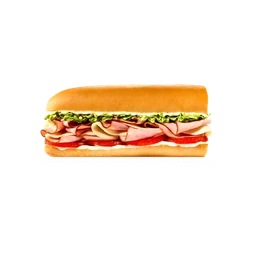 #1 The Pepe®Jimmy John's · Updated September 23, 2026
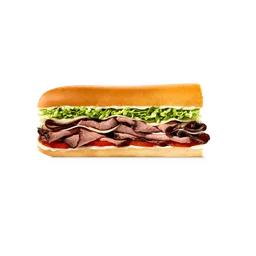 #10 Hunter's Club®Jimmy John's · Updated September 23, 2026
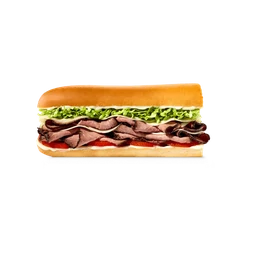 #10 Hunter's Club® (Toasted)Jimmy John's · Updated September 23, 2026
 #10 Tuna Fish (Wrap)Jersey Mike's · Updated September 23, 2026
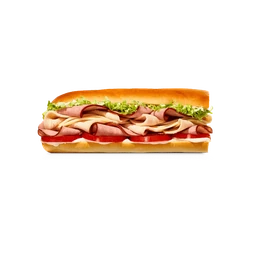 #11 Country Club®Jimmy John's · Updated September 23, 2026
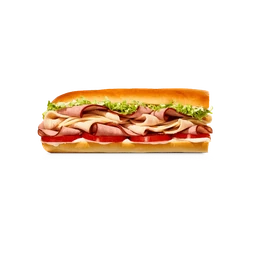 #11 Country Club® (Toasted)Jimmy John's · Updated September 23, 2026
 #11 Stickball Special (Wrap)Jersey Mike's · Updated September 23, 2026
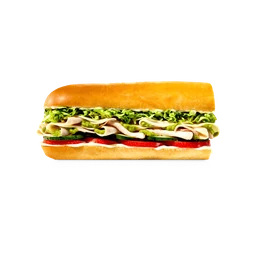 #12 Beach Club®Jimmy John's · Updated September 23, 2026
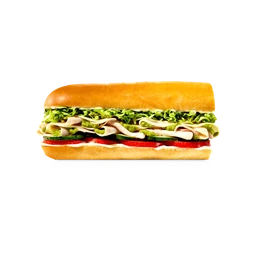 #12 Beach Club® (Toasted)Jimmy John's · Updated September 23, 2026
 #12 Cancro Special (Wrap)Jersey Mike's · Updated September 23, 2026
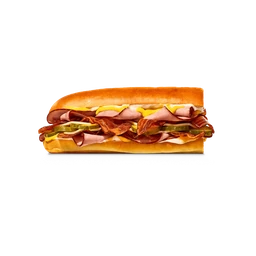 #13 Jimmy Cubano®Jimmy John's · Updated September 23, 2026
Research sources
The published research used in the PRūF app.
- Calcium propionate GRAS conditions
FDA/eCFR · Current through2026-09-03 · Accessed 2026-09-05
- Re-evaluation of propionic acid and propionates E280–283
EFSA ANS Panel · 2014-07-22 · Accessed 2026-09-05
- Consolidated food-additive permissions
European Union · 2026-08-18 consolidation · Accessed 2026-09-05
- Permitted preservatives, itemC.2
Health Canada · 2025-10-20/current checked2026-09-05 · Accessed 2026-09-05
- Propionate, counterregulatory hormones and insulin action
Tirosh and colleagues · 2019-04-24 · Accessed 2026-09-05
- Acute effects of the food preservative propionic acid on glucose metabolism
Adler and colleagues · 2021-07 · Accessed 2026-09-05
- Propionate supplementation and cholesterol: human trial
Haghikia and colleagues · 2021-09 online;2022-02 issue · Accessed 2026-09-05
- Preservative intakes and type2diabetes incidence
Hasenböhler and colleagues · 2026-01-07 · Accessed 2026-09-05
- High calcium propionate in tortillas and a Finnish school outbreak
Varo and colleagues · 2026-03-19 · Accessed 2026-09-05
- Controlled calcium-propionate challenge in selected children
Dengate and Ruben · 2002 · Accessed 2026-09-05
- Calcium propionate and cultured-cell genotoxicity markers
Pongsavee and colleagues · 2024 · Accessed 2026-09-05
- Preservatives and rat hepatorenal oxidative damage
Abd-Elhakim and colleagues · 2023-04 · Accessed 2026-09-05
Know your food.
Anywhere.
Explore restaurant ingredients and nutrition in the PRūF iPhone app.