
Natamycin
Natamycin, also called pimaricin or E 235, is a preservative made by bacteria that limits mold and yeast growth. It is used in some cheeses and other permitted foods. Allowed amounts and whether treatment must stay on the surface vary by country.
Also known as
natamycin · pimaricin · Tennecetin · E235 · E 235 · INS 235
Why PRūF tracks it
Regulatory studies support permitted exposure, while limited human dietary evidence and laboratory fungal-tolerance findings leave uncertainty; a small adverse reproductive report has major methodological inconsistencies that prevent reliable hazard interpretation.
Read the research
Natamycin controls molds and yeasts by binding a component of fungal membranes. It is poorly absorbed after swallowing, but that does not rule out effects within the gut. In 2024, international experts reaffirmed an acceptable daily intake of 0–0.3 milligrams per kilogram of body weight. New rat studies supported that value, and the exposure estimates reviewed were below it.
Older reproductive and long-term studies were broadly reassuring, though their limitations and the scarcity of human dietary studies remain relevant. A small 2025 rat report described reproductive tissue changes at a low stated dose, but conflicting methods and a mismatch in the reported laboratory reagent make its conclusions unreliable. Separate experiments showed that prolonged laboratory exposure can increase tolerance in some fungi; they did not demonstrate that eating natamycin causes resistant infections. Food rules differ.
U.S. regulations specify a cheese limit, while separate GRAS notices cover particular yogurt and beverage uses. European permissions emphasize surface treatment of specified cheeses and dried cured sausages. These conditions limit exposure; they do not establish safety at every possible amount or in every formulation.
Research reviewed on September 5, 2026 · 11 sources
Matches
313–324 of 357 matches
 Spicy Crispy Jack WrapJack in the Box · Updated September 23, 2026
 Spicy Jack Chicken QuesadillaDel Taco · Updated September 23, 2026
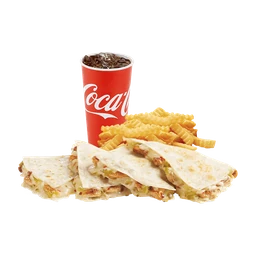 Spicy Jack Chicken Quesadilla MealDel Taco · Updated September 23, 2026
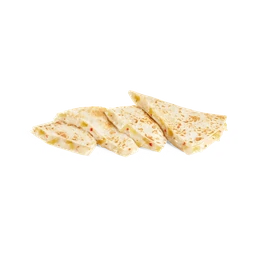 Spicy Jack QuesadillaDel Taco · Updated September 23, 2026
 Spicy Poblano Fajita BurritoIHOP · Updated September 23, 2026
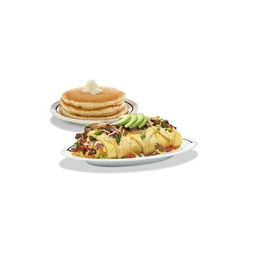 Spicy Poblano OmeletteIHOP · Updated September 23, 2026
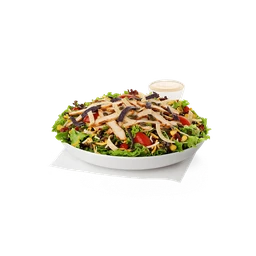 Spicy Southwest SaladChick-fil-A · Updated September 23, 2026
 Spicy Ultimate Breakfast BurritoJack in the Box · Updated September 23, 2026
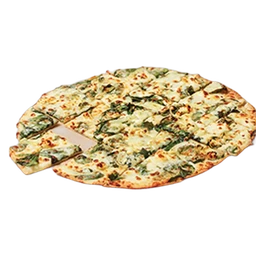 Spinach & FetaDomino's · Hand Tossed · Updated September 23, 2026
 Spinach & Feta Stuffed Cheesy BreadDomino's · Updated September 23, 2026
 Spinach & Mushroom OmeletteIHOP · Updated September 23, 2026
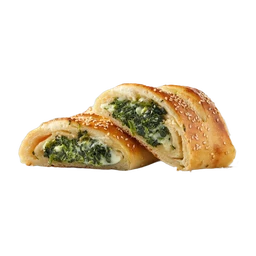 Spinach Stromboli — full log (4 pieces)Sbarro · Updated September 23, 2026
Research sources
The published research used in the PRūF app.
- 21 CFR172.155 Natamycin
FDA / eCFR · Current through2026-09-02 · Accessed 2026-09-05
- Natamycin in yogurt: GRAS notice517
FDA · Closed2014-11-21; page2026-09-02 · Accessed 2026-09-05
- Natamycin in specified beverages: GRAS notice578
FDA · Closed2015-11-06; page2026-09-02 · Accessed 2026-09-05
- Natamycin addendum: WHO Food Additives Series90
FAO/WHO JECFA · 2024-11-04 · Accessed 2026-09-05
- Scientific opinion on natamycinE235
EFSA ANS Panel · 2009-12-14 · Accessed 2026-09-05
- Regulation1333/2008: current E235permissions
European Union · Consolidated2026-08-18 · Accessed 2026-09-05
- List of Permitted Preservatives: N.1
Health Canada · Current list inspected2026-09-05 · Accessed 2026-09-05
- Malassezia pachydermatis acquires resistance to polyenes in the laboratory
Study authors · 2025-11-14 · Accessed 2026-09-05
- Fluorescent polyene probes and resistance-associated vacuolar sequestration
Study authors · 2025-11-17online;2026issue · Accessed 2026-09-05
- Pimaricin and rat testicular/epididymal histology
Study authors · 2025-07-03 · Accessed 2026-09-05
- SDCBP Polyclonal AntibodyE-AB-17209
Elabscience · Current product record inspected2026-09-05 · Accessed 2026-09-05
Know your food.
Anywhere.
Explore restaurant ingredients and nutrition in the PRūF iPhone app.