
Sodium phosphate (mono-; di-; and tribasic)
Sodium phosphates are three sodium salts of phosphoric acid used to control acidity, hold moisture and keep food mixtures stable. They appear in foods such as processed cheese and prepared meats. E339 identifies these orthophosphates, which differ from sodium pyrophosphates and polyphosphates.
Also known as
sodium phosphates · monosodium phosphate · sodium dihydrogen phosphate · sodium phosphate monobasic · monobasic sodium phosphate · sodium acid phosphate · sodium biphosphate · disodium phosphate · disodium hydrogen phosphate · sodium phosphate dibasic · dibasic sodium phosphate · trisodium phosphate · trisodium orthophosphate · sodium phosphate tribasic · tribasic sodium phosphate · E 339(i) · E339(i) · INS 339(i) · E 339(ii) · E339(ii) · INS 339(ii) · E 339(iii) · E339(iii) · INS 339(iii)
Why PRūF tracks it
Cumulative phosphorus exposure, reduced kidney clearance and blood-pressure changes in small sodium-phosphate trials warrant attention, while current evidence does not establish cancer or long-term kidney, bone or cardiovascular disease from typical individual food uses.
Read the research
Sodium phosphates supply readily absorbed phosphorus and sodium. The main concern is total phosphorus exposure and the kidneys’ ability to remove it. EFSA set a full-diet intake value of 40 milligrams of phosphorus per kilogram of body weight daily; some child and adolescent exposure estimates exceeded it, and it does not cover moderate-to-severe kidney impairment. JECFA’s 2026 review retained its differently derived group value of 70 milligrams.
These values concern phosphorus, not the weight of sodium-phosphate salt. Direct human evidence includes a twenty-person trial in which about six weeks of added sodium phosphate raised blood pressure despite a sodium-matched comparison. A smaller fixed-order study also found higher systolic pressure. Both used substantial supplemental phosphorus and had design limitations.
Another trial found short-term mineral changes after a monosodium-phosphate challenge without corrected glucose or lipid effects. Trials of mixed phosphate additives show hormone changes, including in kidney disease, but have not established fractures, cardiovascular events or progressive kidney damage. A French cohort’s sodium-phosphate coronary association failed correction for multiple testing. A small trisodium-phosphate mouse study reported intestinal changes but did not measure functional permeability or establish human allergy.
The review considers cumulative exposure, kidney vulnerability and direct physiological signals, while long-term harm from typical individual food uses remains uncertain.
Research reviewed on September 5, 2026 · 12 sources
Matches
49–60 of 1307 matches
 #2 Jersey Shore's Favorite (Mini)Jersey Mike's · Updated September 23, 2026
 #2 Jersey Shore's Favorite (Regular)Jersey Mike's · Updated September 23, 2026
 #2 Jersey Shore's Favorite (Wrap)Jersey Mike's · Updated September 23, 2026
 #20 Grilled Pastrami Reuben (Bowl)Jersey Mike's · Updated September 23, 2026
 #20 Grilled Pastrami Reuben (Giant)Jersey Mike's · Updated September 23, 2026
 #20 Grilled Pastrami Reuben (Regular)Jersey Mike's · Updated September 23, 2026
 #26 Bacon Ranch Chicken Cheese Steak (Bowl)Jersey Mike's · Updated September 23, 2026
 #26 Bacon Ranch Chicken Cheese Steak (Giant)Jersey Mike's · Updated September 23, 2026
 #26 Bacon Ranch Chicken Cheese Steak (Regular)Jersey Mike's · Updated September 23, 2026
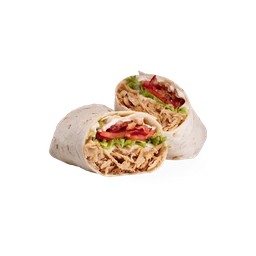 #26 Bacon Ranch Chicken Cheese Steak (Wrap)Jersey Mike's · Updated September 23, 2026
 #3 Ham and Provolone (Bowl)Jersey Mike's · Updated September 23, 2026
 #3 Ham and Provolone (Giant)Jersey Mike's · Updated September 23, 2026
Research sources
The published research used in the PRūF app.
- Re-evaluation of inorganic phosphate food additives
EFSA · 2019-06-12 · Accessed 2026-09-05
- Lowering phosphorus additive intake in adults with and without CKD
Study authors · 2025-05-13 · Accessed 2026-09-05
- Food Additives Re-evaluation and Follow-up working group minutes
EFSA · Page update 2026-07-13; relevant meeting June 3–4, 2026 · Accessed 2026-09-05
- Dietary phosphate exposure, intestinal barrier and immune effects in mice
Study authors · 2026-05-16 · Accessed 2026-09-05
- 102nd meeting summary and conclusions: phosphate group
WHO / JECFA · 2026-07-07 · Accessed 2026-09-05
- 21 CFR182.1778 Sodium phosphate
FDA/eCFR · Current through2026-09-03 · Accessed 2026-09-05
- 21 CFR133.169 Pasteurized process cheese
FDA/eCFR · Current2026-09-05 · Accessed 2026-09-05
- Regulation1333/2008 authorized food additives
European Union · Consolidated2026-08-18 · Accessed 2026-09-05
- List of Permitted Sequestering Agents
Health Canada · Current2026-09-05 · Accessed 2026-09-05
- A Controlled Increase in Dietary Phosphate Elevates BP in Healthy Human Subjects
Mohammad et al. · Online2018-07-18; issue2018-08 · Accessed 2026-09-05
- Acute Effects of an Inorganic Phosphorus Additive on Mineral Metabolism and Cardiometabolic Risk Factors in Healthy Subjects
Volk et al. · Online2021-08-27; issue2022-02 · Accessed 2026-09-05
- Food additive emulsifiers and cardiovascular disease in NutriNet-Sante
Study authors · 2023-09-06 · Accessed 2026-09-05
Know your food.
Anywhere.
Explore restaurant ingredients and nutrition in the PRūF iPhone app.