
Propylene glycol
Propylene glycol is a clear liquid that holds moisture and carries flavors or colors in foods. Also called E1520 or 1,2-propanediol, it helps ingredients mix and keeps products moist. Food use involves specified purity standards and limits that vary by country.
Also known as
propylene glycol · 1,2-propanediol · 1,2-propylene glycol · 1,2-dihydroxypropane · 2-hydroxypropanol · propane-1,2-diol · isopropylene glycol · alpha-propylene glycol · methylethylene glycol · methyl glycol · E 1520 · E1520 · INS 1520
Why PRūF tracks it
The review considers conflicting animal kidney findings and modeled child exposure approaching the daily intake value, despite reassuring chronic assessments; vulnerable infants and people with contact sensitivity need separate consideration.
Read the research
Propylene glycol absorbs water and dissolves ingredients, making it useful in flavor preparations and foods that need to retain moisture. It is chemically distinct from ethylene glycol and from propylene glycol alginate. Food rules differ by country and use.
EFSA retained an acceptable daily intake of 25 milligrams per kilogram of body weight in 2018. Its highest refined estimate for children approached that value, while a Japanese market-basket study estimated a much lower average. These estimates use different populations and methods; neither establishes the exposure of every consumer.
Large oral doses can damage red blood cells or kidneys in animals. One newer mouse study reported kidney injury at a dose that earlier studies tolerated, leaving an unresolved conflict. Toxicity from oral medicines in vulnerable infants shows why clearance and dose matter, but does not establish harm from ordinary food intake. Some people with confirmed contact sensitivity may develop eczema after ingestion.
Industry-linked papers proposed a higher daily intake value and assessed beverage uses against it. That proposal has not replaced the current value. Codex has prioritized a new safety evaluation, with supporting data expected in December 2026.
Research reviewed on September 5, 2026 · 12 sources
Matches
1–12 of 128 matches
 #16 Halal Chicken Philly (Bowl)Jersey Mike's · Updated September 23, 2026
 #16 Halal Chicken Philly (Giant)Jersey Mike's · Updated September 23, 2026
 #16 Halal Chicken Philly (Regular)Jersey Mike's · Updated September 23, 2026
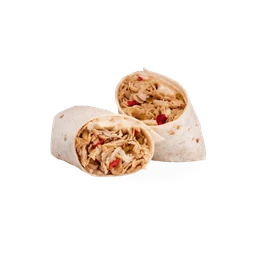 #16 Halal Chicken Philly (Wrap)Jersey Mike's · Updated September 23, 2026
 #16 Mike's Chicken Philly (Bowl)Jersey Mike's · Updated September 23, 2026
 #16 Mike's Chicken Philly (Giant)Jersey Mike's · Updated September 23, 2026
 #16 Mike's Chicken Philly (Regular)Jersey Mike's · Updated September 23, 2026
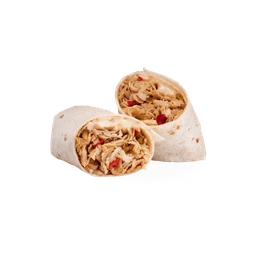 #16 Mike's Chicken Philly (Wrap)Jersey Mike's · Updated September 23, 2026
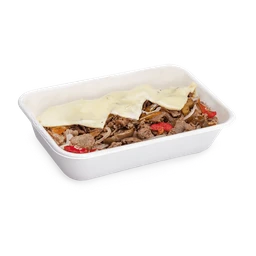 #17 Halal Steak Philly (Bowl)Jersey Mike's · Updated September 23, 2026
 #17 Halal Steak Philly (Giant)Jersey Mike's · Updated September 23, 2026
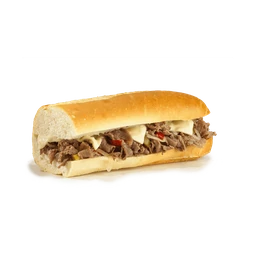 #17 Halal Steak Philly (Regular)Jersey Mike's · Updated September 23, 2026
 #17 Halal Steak Philly (Wrap)Jersey Mike's · Updated September 23, 2026
Research sources
The published research used in the PRūF app.
- 21 CFR 184.1666: Propylene glycol
FDA / eCFR · Current through 2026-09-03 · Accessed 2026-09-05
- Regulation 1333/2008: E1520 carrier permissions
European Union · Consolidated 2026-08-18 · Accessed 2026-09-05
- Re-evaluation of propane-1,2-diol (E1520) as a food additive
EFSA ANS Panel · 2018-04-05 · Accessed 2026-09-05
- Propanediol evaluation entry
FAO/WHO JECFA · 2002 entry; ADI established1973 · Accessed 2026-09-05
- CL2026/42-FA: priority list for JECFA evaluation
Codex Alimentarius / FAO-WHO · 2026-05 · Accessed 2026-09-05
- Acute and subacute oral toxicity of propylene glycol enantiomers in mice and the underlying nephrotoxic mechanism
Zhou et al. / Environmental Pollution · 2021-08-25 · Accessed 2026-09-05
- Comprehensive investigation of hydroxypropyl methylcellulose, propylene glycol, polysorbate 80, and hydroxypropyl-beta-cyclodextrin for use in general toxicology studies
Thackaberry et al. / Toxicological Sciences · 2010-07-19 · Accessed 2026-09-05
- Considerations for deriving a safe intake of propylene glycol
Lewis et al. / Food and Chemical Toxicology · 2024-02-05 · Accessed 2026-09-05
- Tiered intake assessment for propylene glycol in beverages
Tran et al. / Food Additives & Contaminants PartA · 2025-01-16 · Accessed 2026-09-05
- Estimation of daily intake of food additives by Japanese young children using the market basket method in 2018
Terami et al. / Food Additives & Contaminants PartA · 2023-01 · Accessed 2026-09-05
- Systemic contact dermatitis from propylene glycol
Lowther et al. / Dermatitis · 2008-03 · Accessed 2026-09-05
- Propylene glycol neurotoxicity due to sodium citrate therapy in an infant with renal tubular acidosis
Clinical Nephrology Case Studies · 2020 · Accessed 2026-09-05
Know your food.
Anywhere.
Explore restaurant ingredients and nutrition in the PRūF iPhone app.