
Potassium sorbate
Potassium sorbate helps food last longer by slowing the growth of molds and yeasts. Also called E202, it is used in foods such as cheese, baked goods, sauces and drinks. It is the potassium salt of the preservative sorbic acid.
Also known as
potassium sorbate · sorbic acid, potassium salt · potassium 2,4-hexadienoate, (E,E)- · 2,4-hexadienoic acid, potassium salt, (E,E)- · potassium salt of trans,trans-2,4-hexadienoic acid · E202 · E 202 · INS 202
Why PRūF tracks it
The review considers recent diabetes, blood-pressure and cancer associations in one human cohort plus uncertain experimental signals; independent confirmation is missing, existing regulatory evaluations remain reassuring, and ordinary food intake has not been shown to cause these diseases.
Read the research
Potassium sorbate is a preservative that helps prevent spoilage. Regulators permit it in many foods and assess intake together with sorbic acid. EFSA set a group acceptable daily intake of 11 milligrams per kilogram of body weight, expressed as sorbic acid; its preferred modeled exposures were below that value. New human evidence adds uncertainty.
Studies published in 2026 linked higher estimated potassium sorbate intake with type 2 diabetes, high blood pressure, and some cancers. These analyses used the same French volunteer cohort, so they do not provide independent confirmation. The diabetes and blood-pressure associations remained after statistical corrections, while the breast-cancer result became borderline. Diet, other exposures, and measurement error could still explain part of these findings.
Germany’s BfR considered the cancer study insufficient to change the existing risk assessment. Animal experiments and cultures of human gut microbes also report biological changes, but their doses, methods and outcomes do not establish disease from normal food use. Some laboratory results are null or mixed. Together, these findings support a cautious Moderate assessment while better human evidence is awaited.
Food-use rules differ by country and product category, including a narrow Canadian restriction on preserved meat.
Research reviewed on September 5, 2026 · 12 sources
Matches
1177–1182 of 1182 matches
 Wings & Tenders Big BoxKFC · Updated October 2, 2026
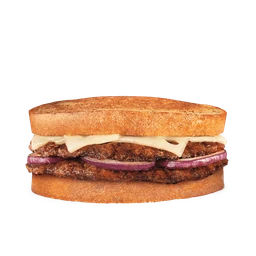 Wisconsin Swiss Melt, DoubleCulver's · Updated September 23, 2026
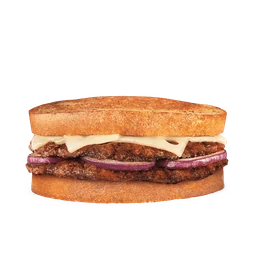 Wisconsin Swiss Melt, SingleCulver's · Updated September 23, 2026
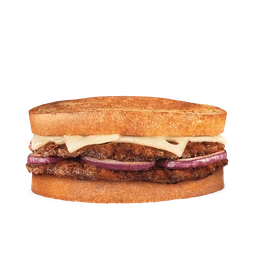 Wisconsin Swiss Melt, TripleCulver's · Updated September 23, 2026
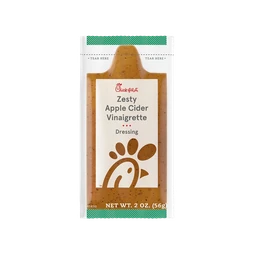 Zesty Apple Cider Vinaigrette DressingChick-fil-A · Updated September 23, 2026
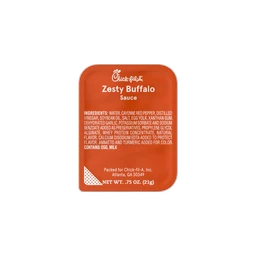 Zesty Buffalo SauceChick-fil-A · Updated September 23, 2026
Research sources
The published research used in the PRūF app.
- 21 CFR 182.3640: Potassium sorbate
FDA / eCFR · Current through 2026-09-03 · Accessed 2026-09-05
- Regulation 1333/2008: current E200-E202 permissions
European Union · Consolidated 2026-08-18 · Accessed 2026-09-05
- Japan export requirements: Canadian preserved-meat restriction note
Canadian Food Inspection Agency · Current page inspected 2026-09-05 · Accessed 2026-09-05
- Opinion on the follow-up of the re-evaluation of sorbic acid E200 and potassium sorbate E202
EFSA FAF Panel · 2019-03-01 · Accessed 2026-09-05
- Potassium sorbate: current evaluation database entry
FAO/WHO JECFA · Evaluation 1973; current database inspected 2026-09-05 · Accessed 2026-09-05
- Associations between preservative food additives and type 2 diabetes incidence in the NutriNet-Santé prospective cohort
Hasenböhler et al. / Nature Communications · 2026-01-07; issue year 2025 · Accessed 2026-09-05
- Intake of food additive preservatives and incidence of cancer: results from the NutriNet-Santé prospective cohort
Hasenböhler et al. / The BMJ · 2026-01-07 · Accessed 2026-09-05
- Preservative food additives, hypertension, and cardiovascular diseases: the NutriNet-Santé study
Hasenböhler et al. / European Heart Journal · 2026-05-21 · Accessed 2026-09-05
- Study on preservatives and cancer has shortcomings
German Federal Institute for Risk Assessment · 2026-03-17 · Accessed 2026-09-05
- Toll-like receptors and nuclear factor kappa B signaling pathway involvement in hepatorenal oxidative damage induced by some food preservatives in rats
Abd-Elhakim et al. / Scientific Reports · 2023 · Accessed 2026-09-05
- Synergistic Effects of Fructose and Food Preservatives on Metabolic Dysfunction-Associated Steatotic Liver Disease: From Gut Microbiome Alterations to Hepatic Gene Expression
Hrncir et al. / Nutrients · 2024 · Accessed 2026-09-05
- In Vitro Effects of Twelve Food Additives on Gut Microbiome and Its Fibre Fermentation Capacity in Adults with Crohn’s Disease in Remission and Healthy Controls
Alessa et al. / Nutrients · 2026-02-18 · Accessed 2026-09-05
Know your food.
Anywhere.
Explore restaurant ingredients and nutrition in the PRūF iPhone app.