
Paprika and turmeric oleoresins
Paprika and turmeric oleoresins are concentrated plant extracts used to add red, orange, or yellow color and sometimes spice flavor to foods. Their pigment content varies, and whole spices, standardized paprika color, turmeric oleoresin, and purified curcumin have different compositions and safety evidence.
Also known as
paprika oleoresin · paprika extract · oleoresin paprika · oleoresin of paprika · capsanthin · capsorubin · E 160c · INS 160c · turmeric oleoresin · Curcuma longa oleoresin · turmeric extract used as color · curcumin · turmeric yellow · E 100 · INS 100(i)
Why PRūF tracks it
The review considers uncertain new dietary diabetes associations, preparation-specific exposure limits and mixed high-dose animal findings, while supplement-associated liver injury cannot automatically be attributed to ordinary food-color use.
Read the research
Paprika extracts contain red pigments called capsanthin and capsorubin, while turmeric extracts contain yellow curcuminoids. These preparations vary, so findings for one cannot automatically describe them all. Regulatory assessments support specified food uses, but they also identify limits and uncertainties. Paprika color had reassuring genetic and long-term animal results, with some minor changes at high doses.
Curcumin assessments considered mixed genetic test results and equivocal animal tumor findings before setting a daily intake limit. Some earlier estimates for children approached or exceeded that limit. A 2026 French study linked higher estimated intake of paprika color and curcumin color with more type 2 diabetes. This was an observational study at dietary intake levels, not a supplement trial; it cannot establish causation, and independent confirmation is needed.
Cancer findings from the same cohort were less consistent and do not provide independent replication. Turmeric supplements have also been linked to occasionally severe liver injury, which cannot be assumed to occur at ordinary food-color exposure. U.S. petitions concerning extraction solvents remain under review; they have not banned these colors. The exact preparation, amount consumed, and purity remain important to interpreting the evidence.
Research reviewed on September 5, 2026 · 12 sources
Matches
613–624 of 648 matches
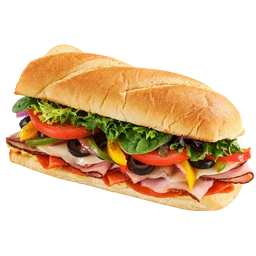 The ItalianMcAlister's Deli · Updated September 26, 2026
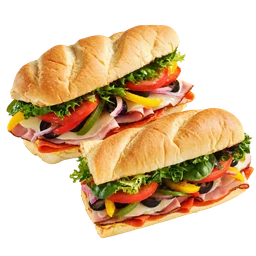 The Italian (12-inch)McAlister's Deli · Updated September 26, 2026
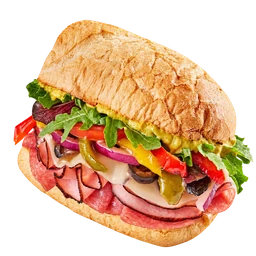 The Italian (Choose 2 Portion)McAlister's Deli · Updated September 26, 2026
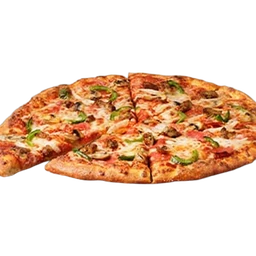 The People's Pizza - DeluxeDomino's · Hand Tossed · Updated September 23, 2026
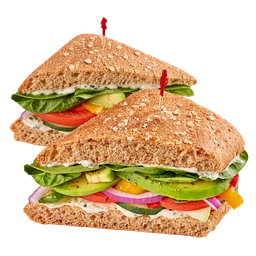 The VeggieMcAlister's Deli · Updated September 26, 2026
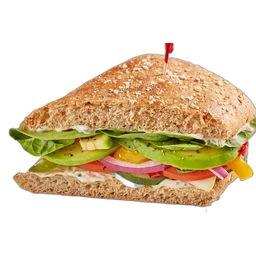 The Veggie (Choose 2 Portion)McAlister's Deli · Updated September 26, 2026
 Thin Crust PepperoniLittle Caesars · Updated September 6, 2026
 Triple Meat Whataburger®Whataburger · Updated September 23, 2026
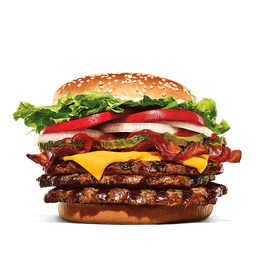 Triple Whopper with Bacon & CheeseBurger King · Updated September 23, 2026
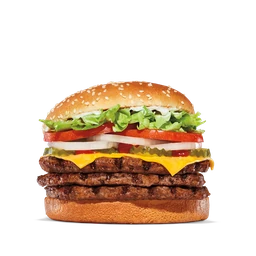 Triple Whopper® with CheeseBurger King · Updated September 23, 2026
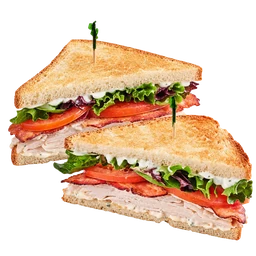 Turkey Ranch BLTMcAlister's Deli · Updated September 26, 2026
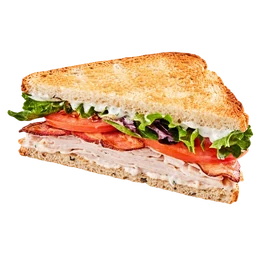 Turkey Ranch BLT (Choose 2 Portion)McAlister's Deli · Updated September 26, 2026
Research sources
The published research used in the PRūF app.
- 21 CFR73.345 Paprika oleoresin
FDA / eCFR · Current through2026-09-03 · Accessed 2026-09-05
- 21 CFR73.615 Turmeric oleoresin
FDA / eCFR · Current through2026-09-02 · Accessed 2026-09-05
- FDA chlorinated-solvent color petitions
FDA · Inventory2026-08-19 · Accessed 2026-09-05
- Regulation1333/2008 food-category permissions
European Union · Consolidated2026-08-18 · Accessed 2026-09-05
- Re-evaluation of paprika extractE160c
EFSA ANS Panel · 2015-12-10; updated2017-06-05 · Accessed 2026-09-05
- Re-evaluation of curcuminE100
EFSA ANS Panel · 2010-09-06 · Accessed 2026-09-05
- Refined exposure assessment for curcumin
EFSA · 2014-10-23 · Accessed 2026-09-05
- Turmeric oleoresin evaluation
FAO/WHO JECFA · 1989 · Accessed 2026-09-05
- Turmeric oleoresin toxicology and carcinogenesisTR427
US National Toxicology Program · 1993-08; webpage2025-05-13 · Accessed 2026-09-05
- Food coloring additives and type2diabetes incidence
Study authors · 2026 · Accessed 2026-09-05
- Food coloring additives and cancer incidence inNutriNet
Study authors · 2026 · Accessed 2026-09-05
- Turmeric-associated liver injury: tenDILINcases
Study authors · 2022-10online;2023-02issue · Accessed 2026-09-05
Know your food.
Anywhere.
Explore restaurant ingredients and nutrition in the PRūF iPhone app.