
Propylene glycol alginate
Propylene glycol alginate is a modified seaweed gum that helps foods thicken and keeps oil and water mixed. Also called E405, it stabilizes texture and foam in products such as sauces, desserts and drinks. It is distinct from free propylene glycol and ordinary alginate salts.
Also known as
propylene glycol alginate · alginic acid, ester with 1,2-propanediol · propane-1,2-diol alginate · 1,2-propanediol alginate · 1,2-propylene glycol alginate · 1,2-propane-diol ester of alginic acid · hydroxypropyl alginate · propylene glycol ester of alginic acid · E 405 · E405 · INS 405
Why PRūF tracks it
The review considers generally reassuring food-use assessments, while persistent microbial changes in one laboratory culture study, limited human data and high-dose animal effects leave specific uncertainties about exposure and long-term outcomes.
Read the research
Propylene glycol alginate partly breaks down into alginic acid and propylene glycol. EFSA based its daily intake value of 55 milligrams per kilogram on the amount of propylene glycol the gum can release. Its exposure calculations stayed below that value, but used maximum permitted concentrations because actual use data were sparse. These calculations do not measure every consumer’s intake or include all sources of propylene glycol.
A small study in five men found no adverse symptoms during 23 days of stepped dosing, although some stool measurements changed. It cannot establish lifelong safety or effects in children. Older animal studies were generally reassuring for genetic and cancer endpoints, but their methods were limited. Very high dietary concentrations impaired growth and survival, and one mouse pregnancy study found maternal toxicity and poorer pregnancy outcomes at a high dose.
A newer single-donor stool-culture experiment found persistent microbial and gene-activity changes after exposure; it did not measure intestinal injury or establish the amount reaching a person’s colon. Current food-use evidence leaves uncertainty about long-term outcomes, combined exposure and the quality of older studies. Purity standards and category-specific food limits remain relevant.
Research reviewed on September 5, 2026 · 12 sources
Matches
109–120 of 164 matches
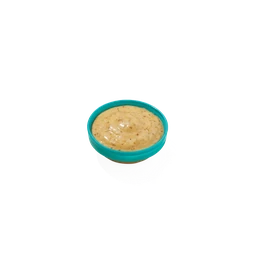 Mardi Gras MustardPopeyes · Updated September 23, 2026
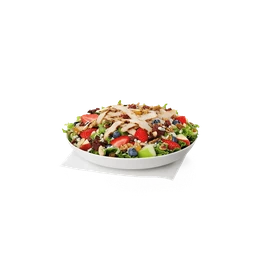 Market SaladChick-fil-A · Updated September 23, 2026
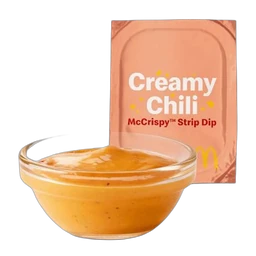 Mccrispy Signature Creamy Chili SauceMcDonald's · Updated September 22, 2026
 Melty Pepper Jack Steak BurritoTaco Bell · Burritos · Updated August 9, 2026
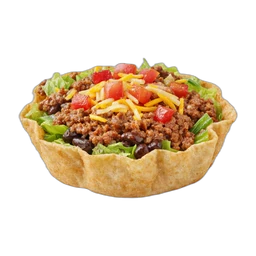 Mini Taco SaladTaco Bell · Updated September 23, 2026
 Naked Chicken ChalupaTaco Bell · Updated September 23, 2026
 NEW CARNITAS BIG FAT TACODel Taco · Updated September 23, 2026
 New York Steamer - LargeFirehouse Subs · Updated September 23, 2026
 New York Steamer - MediumFirehouse Subs · Updated September 23, 2026
 New York Steamer - SmallFirehouse Subs · Updated September 23, 2026
 Original Buffalo BottleBuffalo Wild Wings · Updated September 24, 2026
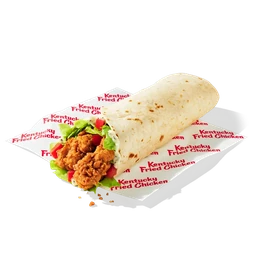 Original Twister®KFC · Limited Time Offers · Updated September 6, 2026
Research sources
The published research used in the PRūF app.
- Re-evaluation of propane-1,2-diol alginate E405
EFSA · 2018-07-27 · Accessed 2026-09-05
- JECFA propylene glycol alginate evaluation record
FAO/WHO JECFA · 1993ADI;1997specification · Accessed 2026-09-05
- JECFA1993 toxicology monograph: propylene glycol alginate
FAO/WHO JECFA / WHO IPCS · 1993 · Accessed 2026-09-05
- Lack of adverse effects of ingested propylene glycol alginate in human volunteers
Anderson et al. · 1991 · Accessed 2026-09-05
- 21CFR172.858 Propylene glycol alginate
FDA/eCFR · Currentthrough2026-09-02 · Accessed 2026-09-05
- Regulation1333/2008 current E405 permissions
European Union · Consolidated2026-08-18 · Accessed 2026-09-05
- Regulation231/2012 E405 purity specifications
European Union · Consolidated2026-08-18 · Accessed 2026-09-05
- Canada List of permitted emulsifying, gelling, stabilizing or thickening agents: P.18
Health Canada · Current2026-09-05 · Accessed 2026-09-05
- Decision2004/374/EC jelly mini-cup suspension
European Union · 2004-04-13;repealed2011-03-31 · Accessed 2026-09-05
- Directive2006/52/EC amendingfoodadditivepermissions
European Union · 2006-07-05 · Accessed 2026-09-05
- Directive2010/69/EU repealof2004/374
European Union · 2010-10-22 · Accessed 2026-09-05
- Direct impact of commonly used dietary emulsifiers on human gut microbiota
Study authors · 2021-01-22 · Accessed 2026-09-05
Know your food.
Anywhere.
Explore restaurant ingredients and nutrition in the PRūF iPhone app.