
Monocalcium phosphate
Monocalcium phosphate is a calcium salt used to help baked foods rise. It reacts with baking soda to release gas in dough or batter. It can also control acidity, firm foods, support yeast, or add calcium and phosphorus to foods.
Also known as
calcium phosphate, monobasic · calcium phosphate monobasic · monobasic calcium phosphate · calcium dihydrogen phosphate · calcium tetrahydrogen phosphate · monocalcium phosphate · monocalcium phosphate, anhydrous · monocalcium phosphate monohydrate · monocalcium orthophosphate · calcium biphosphate · acid calcium phosphate · calcium phosphate (1:2) · phosphoric acid, calcium salt (2:1) · E341(i) · E 341(i) · INS 341(i)
Why PRūF tracks it
The review considers total dietary phosphorus and reduced kidney clearance, while small studies of mixed phosphate additives show inconsistent mineral-hormone changes and do not establish clinical harm from monocalcium phosphate itself.
Read the research
Monocalcium phosphate, also called E341(i), is one specific calcium phosphate used in baking powders and other foods. The anhydrous and monohydrate forms share this food-additive identity; dicalcium and tricalcium phosphate are different salts. How much phosphorus is absorbed depends on the salt, calcium balance, food, and dose, so results for other phosphates cannot automatically establish this ingredient’s effects. EFSA’s phosphate-group daily value is 40 milligrams of phosphorus per kilogram of body weight from all dietary sources.
Its estimates exceeded that value in some younger groups, and the value does not cover moderate or severe kidney impairment. JECFA’s monocalcium entry carries a group value of 70 milligrams of phosphorus per kilogram of body weight per day; a 2026 assessment of sodium and potassium phosphates retained that group value without supplying a new monocalcium-specific clinical trial. Small feeding studies of mixed phosphate additives found changes in hormones that regulate minerals, but results differed across studies and populations. They did not establish fractures, cardiovascular events, or progressive kidney disease from this salt.
Food use remains permitted within applicable conditions. An ongoing European exposure and specification review is not a completed restriction.
Research reviewed on September 5, 2026 · 12 sources
Matches
25–36 of 511 matches
 #2 Jersey Shore's Favorite (Wrap)Jersey Mike's · Updated September 23, 2026
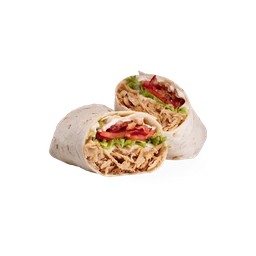 #26 Bacon Ranch Chicken Cheese Steak (Wrap)Jersey Mike's · Updated September 23, 2026
 #3 Ham and Provolone (Wrap)Jersey Mike's · Updated September 23, 2026
 #31 California Chicken Cheese Steak (Wrap)Jersey Mike's · Updated September 23, 2026
 #31 Halal Chicken California (Wrap)Jersey Mike's · Updated September 23, 2026
 #4 The Number Four (Wrap)Jersey Mike's · Updated September 23, 2026
 #42 Chipotle Chicken Cheese Steak (Wrap)Jersey Mike's · Updated September 23, 2026
 #42 Halal Chipotle Chicken Cheese Steak (Wrap)Jersey Mike's · Updated September 23, 2026
 #43 Chipotle Cheese Steak (Wrap)Jersey Mike's · Updated September 23, 2026
 #43 Halal Chipotle Cheese Steak (Wrap)Jersey Mike's · Updated September 23, 2026
 #44 Buffalo Chicken Cheese Steak (Wrap)Jersey Mike's · Updated September 23, 2026
 #44 Halal Buffalo Chicken Cheese Steak (Wrap)Jersey Mike's · Updated September 23, 2026
Research sources
The published research used in the PRūF app.
- Re-evaluation of inorganic phosphate food additives
EFSA FAF Panel · 2019-06-12 · Accessed 2026-09-05
- Provisional Peer-Reviewed Toxicity Values for Calcium Salts of Inorganic Phosphates
U.S. EPA · 2021-09 · Accessed 2026-09-05
- Calcium dihydrogen phosphate: evaluation entry
WHO / JECFA · 1982 evaluation; current entry inspected · Accessed 2026-09-05
- 102nd meeting summary and conclusions: phosphate group
WHO / JECFA · 2026-07-07 · Accessed 2026-09-05
- 21 CFR 182.1217: Calcium phosphate
FDA / eCFR · Current text inspected 2026-09-05 · Accessed 2026-09-05
- Regulation 1333/2008: authorized food additives
European Union · Consolidated 2026-08-18 · Accessed 2026-09-05
- Food Additives Re-evaluation and Follow-up working group minutes
EFSA · Relevant meeting 2026-06-03 to 2026-06-04 · Accessed 2026-09-05
- List of Permitted Firming Agents
Health Canada · 2025-10-20 · Accessed 2026-09-05
- List of Permitted Yeast Foods
Health Canada · 2024-12-18 · Accessed 2026-09-05
- Inorganic phosphate additives and acute calcium homeostasis: two randomized crossover studies
Turner et al. · 2024-06-06 · Accessed 2026-09-05
- Effects of Lowering Dietary Phosphorus Additive Intake on Mineral Metabolism in Adults with and without CKD
Khan et al. · 2025-05-13 · Accessed 2026-09-05
- Phosphorus additives and albuminuria: randomized crossover trial
Chang et al. · 2017 issue; 2016 online · Accessed 2026-09-05
Know your food.
Anywhere.
Explore restaurant ingredients and nutrition in the PRūF iPhone app.