
Corn oil
Corn oil, also called maize oil, comes mainly from the germ of corn kernels. It contains mostly unsaturated fats, including linoleic acid. Usually refined for a mild taste, it is used in frying, baking, salad dressings, spreads, and prepared foods.
Also known as
corn oil · maize oil · corn germ oil · Zea mays oil · Zea mays (corn) germ oil
Why PRūF tracks it
The review considers uncertain acute inflammatory and animal findings, unresolved corn-oil-specific clinical outcomes, and potential contamination or prolonged-heating effects, while short-term lipid benefits and observational findings argue against broad claims of harm.
Read the research
Corn oil provides polyunsaturated and monounsaturated fats, and its health effects depend partly on what it replaces. A short controlled trial found larger LDL-cholesterol reductions with corn oil than with extra-virgin olive oil; a small coconut-oil comparison improved non-HDL cholesterol, while its primary LDL result was inconclusive. A one-year comparison with peanut oil and an enriched oil blend found no clear differences in measured metabolic markers; these studies did not establish which oil prevents more heart attacks. The older Minnesota trial lowered cholesterol with a corn-oil-based diet but did not demonstrate lower mortality; short exposure for many participants, incomplete recovered records, and unusually high linoleic-acid intake limit its application today.
A large observational cohort found no clear mortality association with corn oil itself and favorable modeled replacement of butter. A small 2026 meal trial found a larger response in one inflammation marker after corn oil, without a consistent pattern across other markers or evidence of chronic illness. High-volume oil dosing also produced pancreatic changes in rats, which cannot be directly translated to normal human intake. Refining contaminants and deterioration during prolonged frying require control, but an ingredient name does not reveal their concentrations or how often an oil was reused.
Louisiana’s planned seed-oil notice is a disclosure requirement, not a ban.
Research reviewed on September 5, 2026 · 12 sources
Matches
1–12 of 241 matches
 10 PC. Chicken NuggetsWendy's · Updated September 23, 2026
 10 PC. Spicy Chicken NuggetsWendy's · Updated September 23, 2026
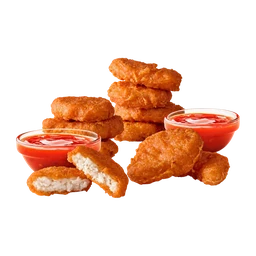 10 Piece Spicy Chicken McNuggets®McDonald's · Updated September 22, 2026
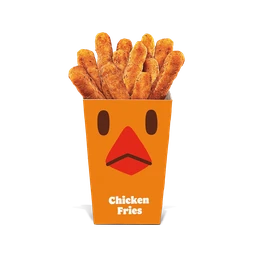 12 Pc. Chicken FriesBurger King · Updated September 23, 2026
 12 Pc. Mozzarella FriesBurger King · Updated September 23, 2026
 2 for $6 Grilled Chicken Big Fat TacoDel Taco · Updated September 23, 2026
 3 Layer Queso NachosDel Taco · Updated September 23, 2026
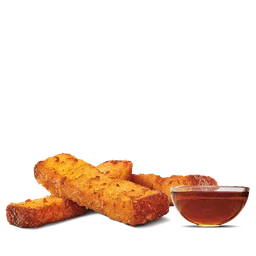 3 Pc. French Toast SticksBurger King · Updated September 23, 2026
 3pc. Crispy Chicken & Fries Box (Ranch or Chipotle Dipping Sauce)Del Taco · Updated September 23, 2026
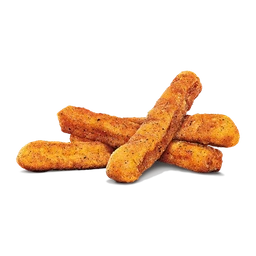 4 Pc. Chicken FriesBurger King · Updated September 23, 2026
 4 PC. Chicken NuggetsWendy's · Updated September 23, 2026
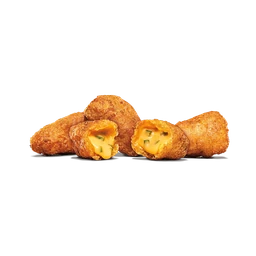 4 Pc. Jalapeño Cheddar BitesBurger King · Updated September 23, 2026
Research sources
The published research used in the PRūF app.
- MCPD esters and glycidyl esters in edible oils
FDA · Current page accessed 2026-09-05 · Accessed 2026-09-05
- Regulation 2026/1825 on process contaminants
European Commission · Adopted 2026-07-29; effective 2026-08-19 · Accessed 2026-09-05
- Louisiana R.S.40:662 seed-oil notice
Louisiana Legislature · Effective 2028-01-01 · Accessed 2026-09-05
- Corn oil versus extra-virgin olive oil controlled feeding trial
Study authors · 2015 · Accessed 2026-09-05
- Corn oil compared with coconut oil in adults with elevated cholesterol
Study authors · 2018 · Accessed 2026-09-05
- Recovered Minnesota Coronary Experiment data
Study authors · 2016-04-12; trial 1968–1973 · Accessed 2026-09-05
- Cooking oils and mortality in NIH-AARP
Study authors · 2021-04-15 · Accessed 2026-09-05
- Fat-source effects on post-meal inflammation
Study authors · Online 2026-05-12; August issue · Accessed 2026-09-05
- TR426 comparative oil gavage toxicology
Study authors · 1994 · Accessed 2026-09-05
- Natural antioxidant blends and corn-oil frying stability
Study authors · 2026-06-09 · Accessed 2026-09-05
- EU maximum zearalenone in refined maize oil
European Union · 2025-10-08 consolidation, read with2026/1825 · Accessed 2026-09-05
- Effects of plant oils with different fatty acid composition on cardiovascular risk factors in moderately hypercholesteremic Chinese adults: a randomized, double-blinded, parallel-designed trial
Chao-Gang Chen and colleagues · 2020-08, accepted manuscript dated 2020-07-20 · Accessed 2026-09-05
Know your food.
Anywhere.
Explore restaurant ingredients and nutrition in the PRūF iPhone app.