
Acesulfame potassium
Acesulfame potassium, also called Ace-K, is a sweetener used in foods and drinks. It is about 200 times as sweet as sugar, so a little goes a long way. It tolerates heat and is often used with other sweeteners to balance taste.
Also known as
Acesulfame K · Ace-K · potassium acesulfame · acesulphame potassium · E 950 · INS 950
Why PRūF tracks it
Possible effects on the intestinal barrier, uncertain long-term human health associations, and impurity controls warrant attention, but laboratory experiments and observational studies do not establish that acesulfame potassium causes harm at ordinary food exposures.
Read the research
Acesulfame potassium adds sweetness in small amounts and is often combined with other sweeteners. EFSA’s 2025 assessment set an acceptable daily intake of 15 milligrams per kilogram of body weight and found estimated exposure generally below it. That assessment supports permitted uses, while leaving uncertainty about some human health findings and a possible manufacturing impurity. Newer research deserves attention: a 2026 gut-simulator experiment found that microbial products formed during exposure could affect a cultured intestinal barrier, but it did not test harm in people or reproduce normal absorption.
Observational studies also report associations with hypertension and cognitive decline; diet, health differences, and imperfect exposure measurements prevent confident attribution to Ace-K. The cognition paper has undergone corrections, so its original numerical claims need particular care. A small trial of an Ace-K/aspartame drink found no acute glucose or hormonal difference from water, which cannot establish long-term safety. Louisiana enacted removal of Ace-K from forthcoming school-food and disclosure lists before their planned operation.
Rhode Island separately excludes artificial sweeteners from specified school foods under its nutrition standards.
Research reviewed on September 5, 2026 · 12 sources
Matches
1–12 of 17 matches
 Country Fried Pork Sandwich (Indiana) (in selected stores only)Texas Roadhouse · Updated September 23, 2026
 Country Fried Pork Sandwich (Iowa) (in selected stores only)Texas Roadhouse · Updated September 23, 2026
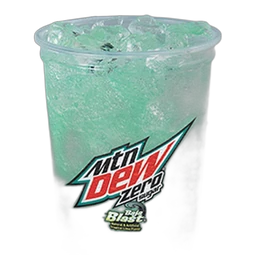 Mtn Dew® Baja Blast Zero Sugar (16 fl oz)Taco Bell · Updated September 23, 2026
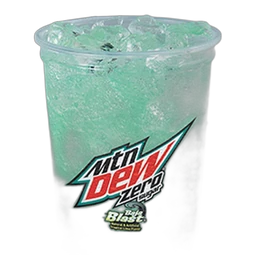 Mtn Dew® Baja Blast Zero Sugar (20 fl oz)Taco Bell · Updated September 23, 2026
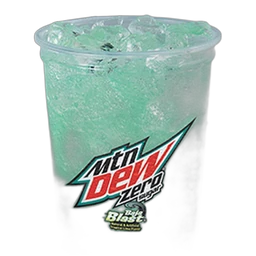 Mtn Dew® Baja Blast Zero Sugar (30 fl oz)Taco Bell · Updated September 23, 2026
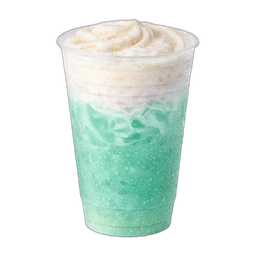 Mtn Dew® Baja Blast™ Zero Sugar Dirty Soda (16 oz)Taco Bell · Updated September 23, 2026
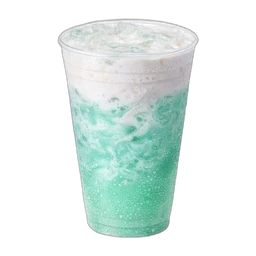 Mtn Dew® Baja Blast™ Zero Sugar Dirty Soda (20 oz)Taco Bell · Updated September 23, 2026
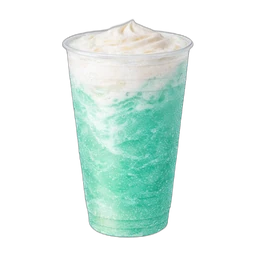 Mtn Dew® Baja Blast™ Zero Sugar Dirty Soda (30 oz)Taco Bell · Updated September 23, 2026
 Pineapple Citrus Energy Freeze (16 oz)Taco Bell · Updated September 23, 2026
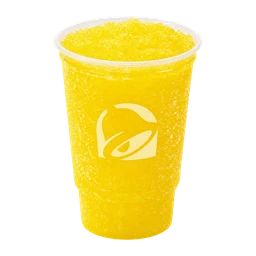 Pineapple Citrus Energy Freeze (20 oz)Taco Bell · Updated September 23, 2026
- Pineapple Citrus Fuego EnergyTaco Bell · Updated September 23, 2026
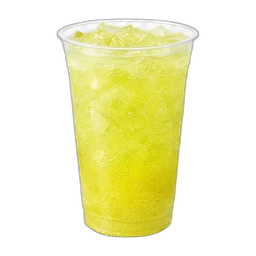 Pineapple Lime Rockstar RefrescaTaco Bell · Updated September 23, 2026
Research sources
The published research used in the PRūF app.
- 21 CFR 172.800 — Acesulfame potassium
U.S. FDA / eCFR · Title current through 2026-09-03 · Accessed 2026-09-05
- Aspartame and Other Sweeteners in Food
U.S. FDA · Accessed 2026-09-05
- Re-evaluation of acesulfame K (E 950) as food additive
EFSA · 2025-04-30; amended 2026-02-26 · Accessed 2026-09-05
- Toxicity Studies of Acesulfame Potassium in Genetically Modified Mice
National Toxicology Program · 2005-10; webpage updated 2025-06-13 · Accessed 2026-09-05
- Human Gut Microbiome Can Degrade the Sweetener Acesulfame K with Potential Damaging Effects in the Intestinal Barrier Function
Bellanco et al. / Journal of Agricultural and Food Chemistry · online 2026-04-21; issue 2026-05-06 · Accessed 2026-09-05
- Enteroendocrine hormonal response after the ingestion of cola beverages with sucrose and non-nutritive sweeteners in healthy adults: A randomized crossover trial
Galicia-Ayala et al. / Nutrition · online 2025-08-25; issue 2026-01 · Accessed 2026-09-05
- Markers of ultra-processed food and incident arterial hypertension in the UK Biobank
Krost et al. / European Heart Journal · 2026-08-03 · Accessed 2026-09-05
- Association Between Consumption of Low- and No-Calorie Artificial Sweeteners and Cognitive Decline: An 8-Year Prospective Study
Gomes Gonçalves et al. / Neurology · online 2025-09-03; corrections 2025-11-06 and 2026-07-30 · Accessed 2026-09-05
- Correction and replacement of the ELSA-Brasil sweetener/cognition study
Gomes Gonçalves et al. / Neurology · online 2026-07-30; issue 2026-08-25 · Accessed 2026-09-05
- Association of Low-Calorie Sweeteners with Selected Circulating Biomarkers of Intestinal Permeability in the Cancer Prevention Study-3 Diet Assessment Substudy
Zhu et al. / Journal of Nutrition · online 2025-03-01; issue 2025-04 · Accessed 2026-09-05
- Louisiana Act 735, SB 57
Louisiana Legislature · signed 2026-06-01 · Accessed 2026-09-05
- 200-RICR-20-25-4: Nutrition Requirements for School Reimbursable Meals and Competitive Foods and Beverages
Rhode Island Department of Education · 2022-01-04 periodic refile · Accessed 2026-09-05
Know your food.
Anywhere.
Explore restaurant ingredients and nutrition in the PRūF iPhone app.