
Propyl Gallate
Propyl gallate is an antioxidant made from gallic acid and propanol. It helps protect fats and oils from oxidation, slowing rancidity and changes in flavor. It is used in some processed foods and is chemically distinct from similarly named preservatives and solvents.
Also known as
propyl gallate · n-propyl gallate · gallic acid propyl ester · propyl ester of gallic acid · propyl 3,4,5-trihydroxybenzoate · benzoic acid, 3,4,5-trihydroxy-, propyl ester · n-propyl ester of 3,4,5-trihydroxybenzoic acid · 3,4,5-trihydroxybenzoic acid propyl ester · E 310 · INS 310
Why PRūF tracks it
The review considers equivocal animal tumor findings, incomplete reproductive evidence and experimental hormone or DNA effects; newer kidney toxicity depended on a concentrated intestinal-release formulation, while ordinary food exposure and long-term human outcomes remain poorly characterized.
Read the research
Propyl gallate helps preserve foods containing fats and oils. Its health evidence is mainly experimental, with little direct information about long-term outcomes in people. Regulators set daily intake values using a rat study that found blood-related effects at higher doses, while allowing extra room for gaps in chronic and reproductive testing. Older animal cancer studies included equivocal findings in males, so a blanket claim that every study was negative would be misleading.
Laboratory research has found hormone activity, DNA effects and impaired development of mouse eggs or embryos, but direct cell exposure does not reproduce eating food. A newer study found kidney injury in dogs given a large daily dose in tablets designed to release their contents in the intestine; ordinary capsules at the same dose did not produce renal toxicity. This shows why formulation matters. Other experiments have found protective antioxidant effects in chemically injured animals, which do not establish a health benefit for consumers.
Actual intake, susceptibility and food form remain important uncertainties. Current food rules permit specified uses, and the EU tightened manufacturing and purity requirements in 2025.
Research reviewed on September 5, 2026 · 12 sources
Matches
1–12 of 17 matches
 55+ Breakfast SamplerIHOP · Updated September 23, 2026
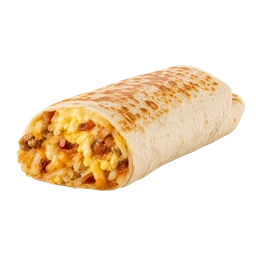 Big Breakfast BurritoIHOP · Updated September 23, 2026
 Breakfast SamplerIHOP · Updated September 23, 2026
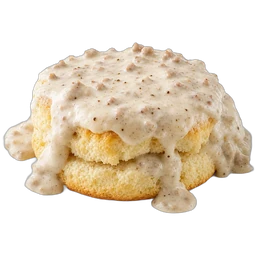 Buttermilk Biscuit with Sausage GravyIHOP · Updated September 23, 2026
 Buttermilk Biscuits & Gravy ComboIHOP · Updated September 23, 2026
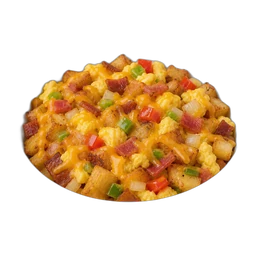 Classic BowlIHOP · Updated September 23, 2026
 Classic Ultimate Breakfast BurritoJack in the Box · Updated September 23, 2026
 Colorado OmeletteIHOP · Updated September 23, 2026
 Jr. Sausage, Egg and Cheese Breakfast BurritoSonic · Updated September 23, 2026
 Loaded Breakfast SandwichJack in the Box · Updated September 23, 2026
 Sausage Breakfast BurritoSonic · Updated September 23, 2026
 Sausage BREAKFAST TOASTER®Sonic · Updated September 23, 2026
Research sources
The published research used in the PRūF app.
- 21 CFR184.1660: Propyl gallate
FDA/eCFR · Current through2026-09-01 · Accessed 2026-09-05
- Regulation1333/2008 current food permissions
European Union · Consolidated2026-08-18 · Accessed 2026-09-05
- Regulation2024/2597 updated propyl gallate specifications
European Union · 2024-10-07; applies2025-04-27 · Accessed 2026-09-05
- Canada permitted preservatives: P.11 Propyl Gallate
Health Canada · Current2026-09-05 · Accessed 2026-09-05
- Re-evaluation of propyl gallate E310
EFSA ANS Panel · 2014-04-24; editorial amendment2024-10-30 · Accessed 2026-09-05
- Propyl gallate JECFA evaluation record and1993 monograph
FAO/WHO JECFA · 1993ADI retained1996 · Accessed 2026-09-05
- TR240 propyl gallate carcinogenesis bioassay
National Toxicology Program · 1982-12; pageupdated2025-06-18 · Accessed 2026-09-05
- Enteric-coated propyl gallate nephrotoxicity in beagles and renal cells
Study authors · 2025; issueMay9 · Accessed 2026-09-05
- PG affects mouse two-cell embryonic development
Study authors · 2024 · Accessed 2026-09-05
- High-dose PG impairs mouse oocyte maturation
Study authors · 2023 · Accessed 2026-09-05
- Safety and efficacy of PG for animal species
EFSA FEEDAP · 2020-04-30 · Accessed 2026-09-05
- PG and methylglyoxal-induced cognitive deficits in mice
Study authors · 2026-01 · Accessed 2026-09-05
Know your food.
Anywhere.
Explore restaurant ingredients and nutrition in the PRūF iPhone app.