
Erythritol
Erythritol is a sugar alcohol used to sweeten reduced-sugar foods and drinks. It is produced commercially by fermentation and occurs naturally in small amounts in some foods. It supplies little energy, and the body can also make erythritol from glucose.
Also known as
E 968 · E968 · INS 968 · INS968 · meso-erythritol · erythrite · erythrol · 1,2,3,4-butanetetrol · tetrahydroxybutane
Why PRūF tracks it
Dose-related diarrhea is established, while small platelet experiments and observational blood-level associations raise cardiovascular questions that remain unresolved because dietary exposure, study conditions and clinical relevance differ.
Read the research
Erythritol provides sweetness with little energy and has a smaller immediate effect on blood glucose than sugar. Larger amounts can cause diarrhea, with tolerance depending on dose and how quickly it is consumed. EFSA set a daily value of 0.5 grams per kilogram of body weight to protect against diarrhea and its consequences; this is not a cardiovascular safety threshold. Studies linking higher blood erythritol to cardiovascular events cannot reliably separate dietary intake from erythritol made by the body or differences in kidney function.
A small 2024 experiment found increased platelet responses after a 30-gram dose, but did not measure heart attacks or strokes. A later conference study reported no platelet changes under different test conditions, and a five-week trial found no vascular or metabolic treatment differences. Neither establishes long-term safety. New cell and animal studies raise additional questions about blood vessels, intestinal inflammation and reproduction, but their exposure conditions and reporting limitations prevent direct conclusions about human dietary harm.
The evidence supports caution about substantial intake without claiming that erythritol has been shown to cause cardiovascular disease or infertility in people.
Research reviewed on September 5, 2026 · 12 sources
Matches
1–4 of 4 matches
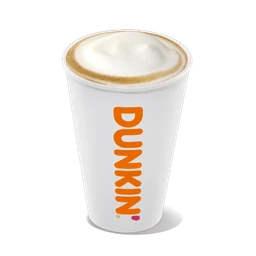 Protein Hot Latte with Sugar Free Vanilla - LargeDunkin' · Updated September 22, 2026
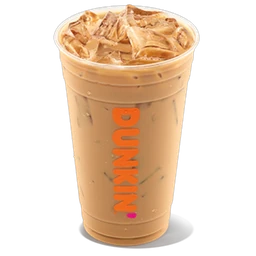 Protein Iced Latte with Sugar Free Vanilla - LargeDunkin' · Updated September 22, 2026
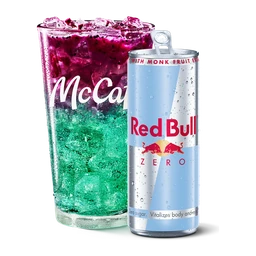 Red Bull Zero Sugar Dragonberry Energizer MediumMcDonald's · Updated September 22, 2026
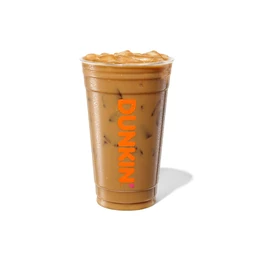 Shakin' Espresso with Sugar Free Vanilla and Almondmilk - LargeDunkin' · Updated September 22, 2026
Research sources
The published research used in the PRūF app.
- Re-evaluation of erythritol E968
EFSA · 2023-12-20 · Accessed 2026-09-05
- The artificial sweetener erythritol and cardiovascular event risk
Study authors · 2023-02-27 · Accessed 2026-09-05
- Ingestion of erythritol enhances platelet reactivity in healthy volunteers
Study authors · 2024-08-08 · Accessed 2026-09-05
- Short-term erythritol and xylitol intake does not impact markers of platelet, endothelial, and coagulation activation
Study authors · 2025 conference abstract 74, PDF page 81 · Accessed 2026-09-05
- Effects of erythritol and xylitol on vascular function, abdominal fat and glucose tolerance in humans
Study authors · 2023-11-14 · Accessed 2026-09-05
- Erythritol and human cerebral microvascular endothelial cell function
Study authors · 2025-06-03 · Accessed 2026-09-05
- Maternal erythritol exposure and ovarian alterations across rat generations
Study authors · 2026-05-14 · Accessed 2026-09-05
- Erythritol, gut microbiota and metabolism in experimental colitis
Study authors · 2026-08-02 · Accessed 2026-09-05
- FDA response to GRAS notice1296 for erythritol
FDA · 2026-04-07 · Accessed 2026-09-05
- EU food-additive authorizations and erythritol conditions
European Union · Consolidated 2026-08-18 · Accessed 2026-09-05
- California AB1264 enrolled law
California Legislature · Enacted 2025-10-08 · Accessed 2026-09-05
- 200-RICR-20-25-4: Nutrition Requirements for School Reimbursable Meals and Competitive Foods and Beverages
Rhode Island Department of Education · 2022-01-04 periodic refile · Accessed 2026-09-05
Know your food.
Anywhere.
Explore restaurant ingredients and nutrition in the PRūF iPhone app.